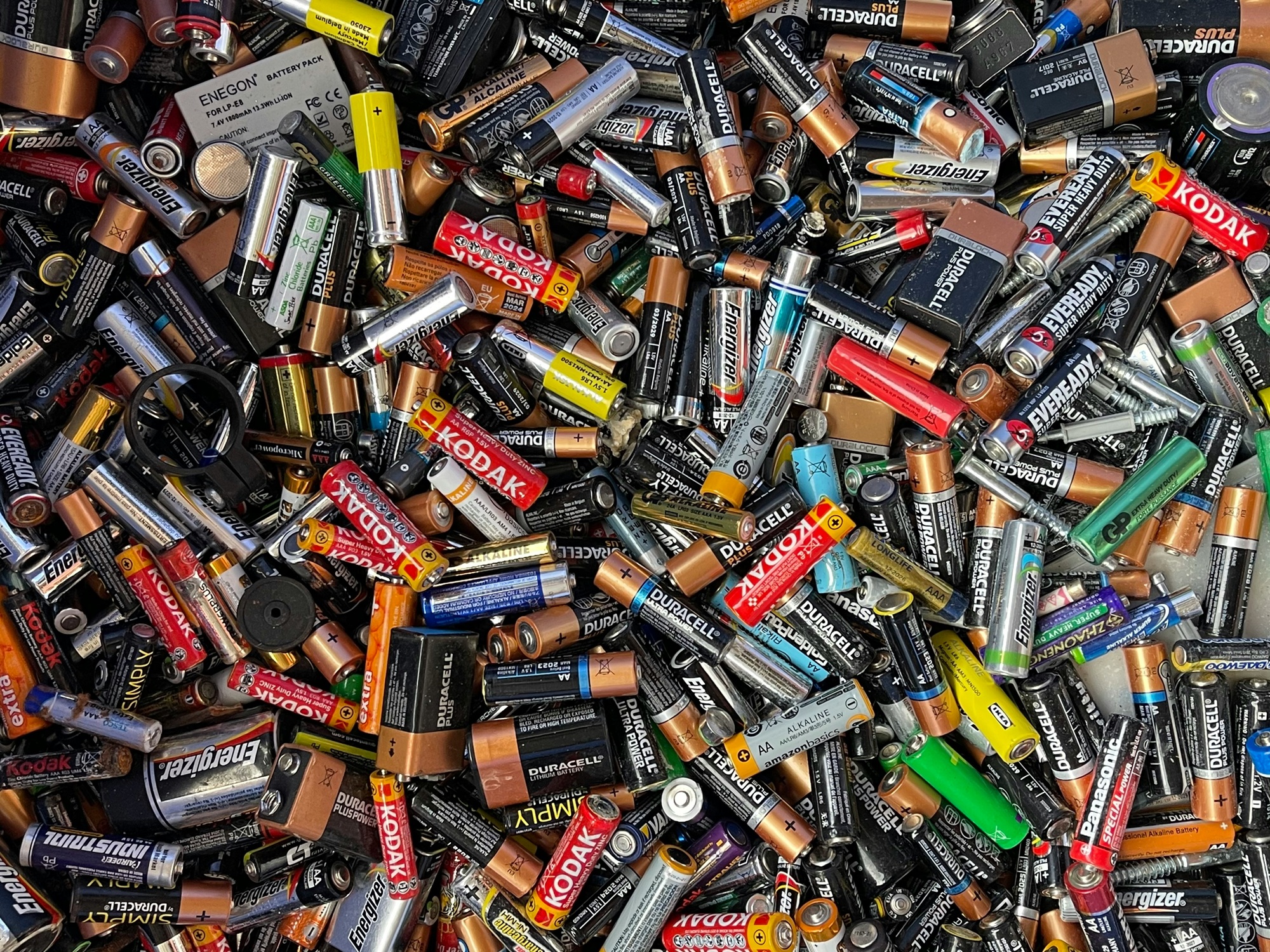
The Redlands Coast community is being urged to avoid the consequences of waste’s ‘dangers in disguise’ by keeping batteries, gas bottles and other hazardous items out of household and waste facility bins.
Acting Mayor Julie Talty said the unsafe disposal of hazardous waste posed a significant risk to waste truck drivers and the community.
“Across this year alone we have seen 12 waste truck incidents involving gas bottles and another eight involving used motor oil, paint and chemicals,” she said.
You may also like these stories


“Most concerning is that we’ve had four fires in waste and recycling collection trucks, known as hot loads, most likely started from the disposal of lithium-ion batteries in wheelie bins.
“While no one was seriously injured in these incidents, they’re an important reminder that hazardous items should never go in your household bin.
“It only takes one battery or gas bottle to start a waste truck fire, so it’s important for every household to ensure they are disposing of hazardous waste responsibly.”
Residents are encouraged to use the services available at Redland Bay Recycling and Waste Centre (RaWC), which offers free disposal of certain hazardous waste (within disposal criteria).
Items accepted at the Redland Bay facility include lead-acid (vehicle) batteries, oil, barbecue gas bottles, fire extinguishers, fuel, smoke alarms, paint, and household chemicals.
At most other Council waste facilities, lead-acid (vehicle) batteries, oil, and barbecue gas bottles are accepted.
Cr Talty said the community should pay particular attention to batteries hidden inside everyday household items such as laptops, drills, vacuums, and even electric toothbrushes.
“While batteries found in these items may seem harmless, throwing them away in kerbside bins can have serious consequences,” she said.
“When batteries are crushed and compacted inside a waste collection truck, they can spark fires that spread quickly through the waste load and put drivers at risk.
“These incidents can also cause damage to the infrastructure that our community relies on every day for its waste collection services.
“The best way to dispose of smaller household batteries is through the nationally recognised B-cycle program using a local Redland drop-off point.
“This program accepts a wide range of everyday household battery types, including regular AA or AAA, rechargeable batteries, and e-micromobility batteries.
“Retailers such as Bunnings Warehouse and JB Hi-Fi also provide free battery recycling services in-store.”
Recycling and Waste Portfolio representative Councillor Tracey Huges said National Safe Work month in October served as a reminder that safety was everyone’s responsibility.
“The theme for this year is Safe Work is For Life, reiterating that safety doesn’t start and end in the workplace – it extends to our homes and communities,” she said.

“By taking a few extra minutes to check your waste before putting it in your kerbside bin, you can help to prevent fires, protect our environment, and avoid costly damage to critical waste infrastructure.
“Most importantly, by taking this small step, you will be helping our waste collection truck drivers and all workers at waste facilities get home safely to their families at the end of every shift.”
For further information about safe disposal of hazardous waste, including a list of hazardous waste types accepted at Council RaWCs, visit the Council website.