An innovative litter tracking project is delivering Redland City Council important insights into designing more effective litter management strategies and to support healthy waterways.
Redland City Mayor Jos Mitchell said the Litter Quest: Creek to Coast project was a powerful educational tool that supported long-term behaviour change.
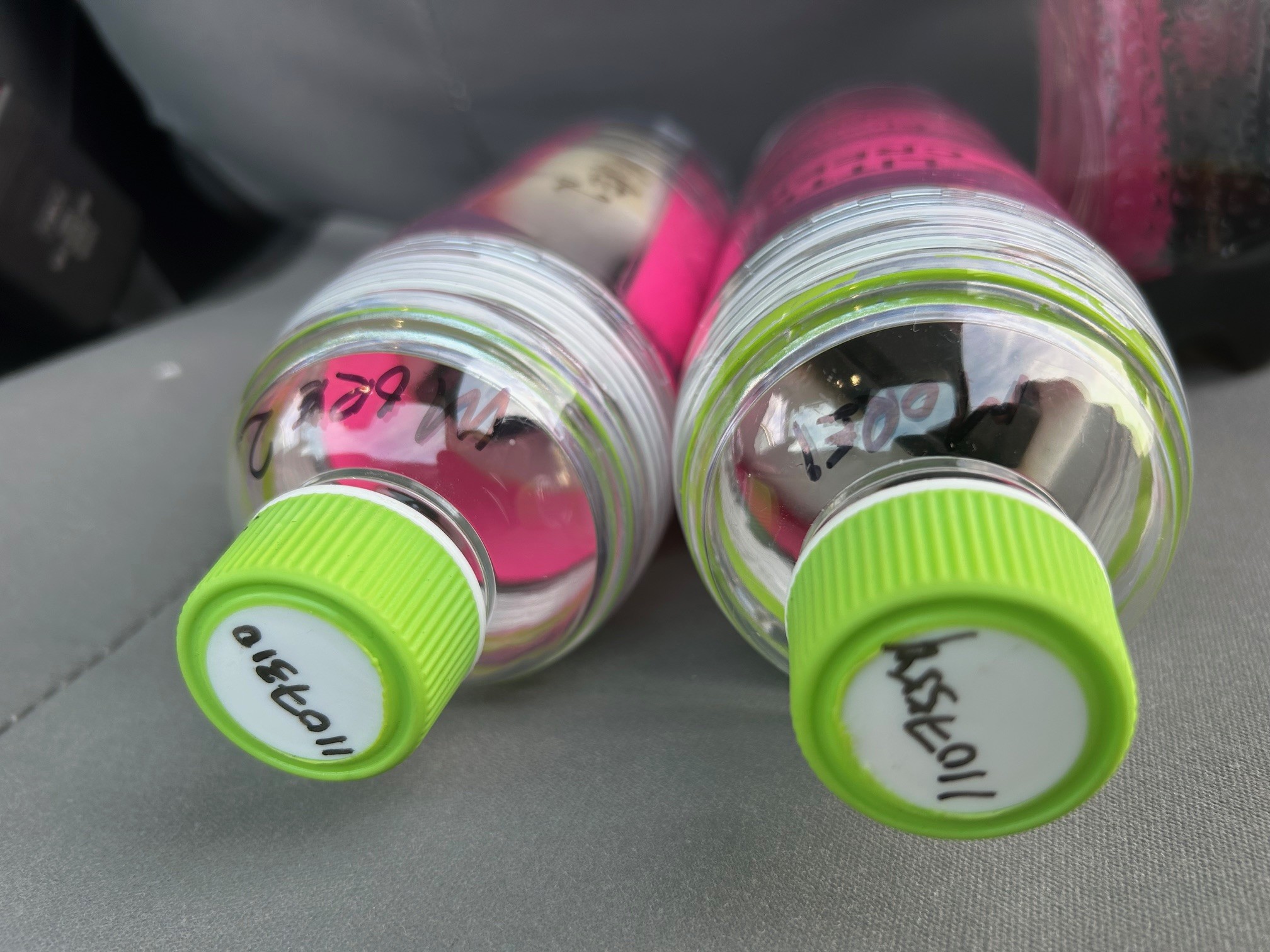
“This innovative project, a first for Queensland, uses GPS-tracked bottles to visually demonstrate how litter moves through local waterways once it leaves a person’s hand,” the Mayor said.
You may also like these stories

“It makes the invisible journey of litter visible.”
Nine GPS-tracked bottles were deployed across three catchment areas – Tingalpa, Eprapah and Hilliards creeks – as well as Moreton Bay, with the bottles tracked for 21 days before being recovered.
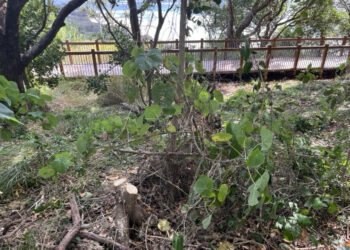
All the creek bottles had similar outcomes – travelling up to about 500m downstream before becoming trapped in overhanging roots and other vegetation debris along the creek banks.
When creeks have low water flow, litter accumulates in these areas, as shown by the creek bottles.
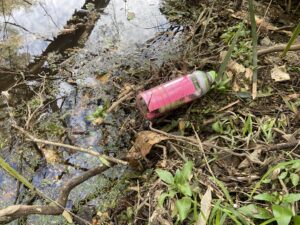
Litter often remains hidden until heavy rainfall dislodges it and flushes it downstream and into the bay, where it impacts on an even wider number of aquatic ecosystems.
Two bottles released simultaneously at Redland Bay drifted along different tidal pathways, with one travelling 4 km before lodging in mangroves near Pannikin Island, and the other taking a longer, more dynamic 19.5 km route past Victoria Point, Coochiemudlo, Long Island and Garden Island before also ending up in mangroves.
These bottles were an example of how mangroves act as natural filters and temporary collection points for litter.
During high tides or storms, the debris is swept out to sea, harming even more marine life and further polluting coastal waters.
The Mayor said the Litter Quest initiative supported the community engagement actions outlined in Council’s Redlands Coast Bay and Creeks Action Plan 2021–2026.
“The results of the ongoing Litter Quest project will help Council better understand litter pathways and identify intervention points to reduce waste entering marine environments,” she said.

Environment Portfolio Representative Councillor Julie Talty said litter in Redlands Coast waterways was a significant environmental issue, with the majority of marine debris originating from land-based sources via catchments.
“It is important to protect our bay and creeks, to not only support healthy ecosystems and many plants and animals, but also because our waterways feature in so many of our local recreation activities,” she said.
Redlands Coast residents also can do their part to help protect local waterways.
Here are three top tips:
- Picking up rubbish reduces litter moving into the storm water system. Litter poses a threat to waterways, impacting human health, the environment, wildlife and the economy.
- Wash your car on the grass to prevent detergents, mud, oil and grease washing directly into the storm water system and polluting waterways.
- Raking up leaves and dirt around your home reduces the amount of nutrients entering waterways, effecting the water quality in creeks, estuaries and the bay.
For more tips and further information on waterways across Redlands Coast, visit Council’s website.