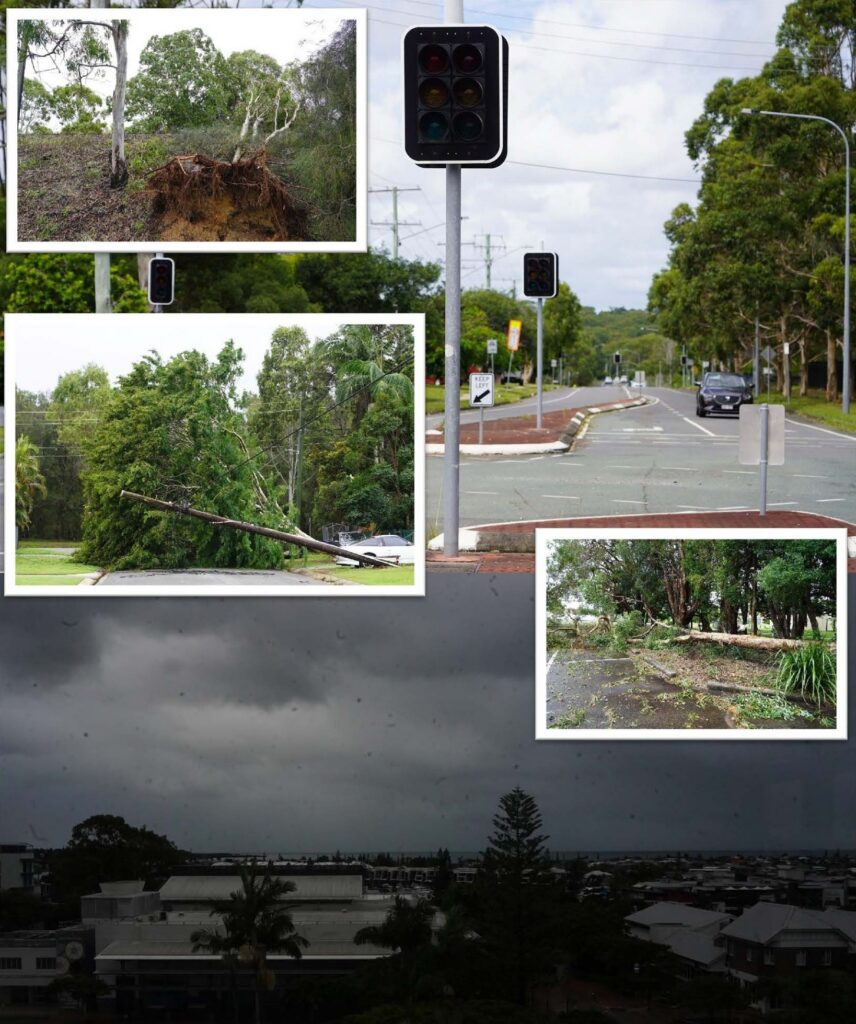
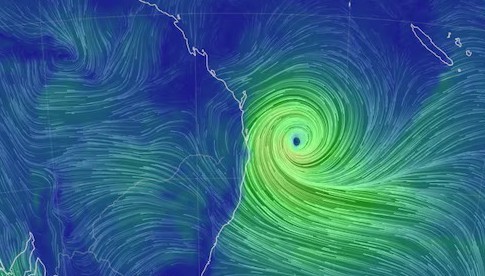

This weekend marks the first anniversary of ex-Tropical Cyclone Alfred’s devastating impact on Redlands Coast.
Tropical Cyclone Alfred made landfall on Moreton Island and North Stradbroke Island (Minjerribah) as a Category 1 Cyclone at about 11.30pm on 7 March 2025.
At 6.45am the next day, Alfred was downgraded to a tropical low as it moved across the bay, impacting the wider Redlands Coast area throughout the morning of 8 March.
You may also like these stories
In the year that has followed, Redland City Council has worked with the community to strengthen resilience, act on lessons learned, and prepare for similar severe weather events in the future.
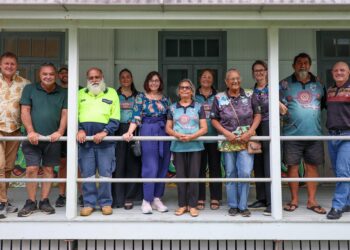
Acting Mayor and Local Disaster Management Group Deputy Chair, Julie Talty, said ex-Tropical Cyclone Alfred brought challenges to the city but also revealed the strength of the Redlands Coast community in terms of its resilience, tenacity and spirit of supporting one another.
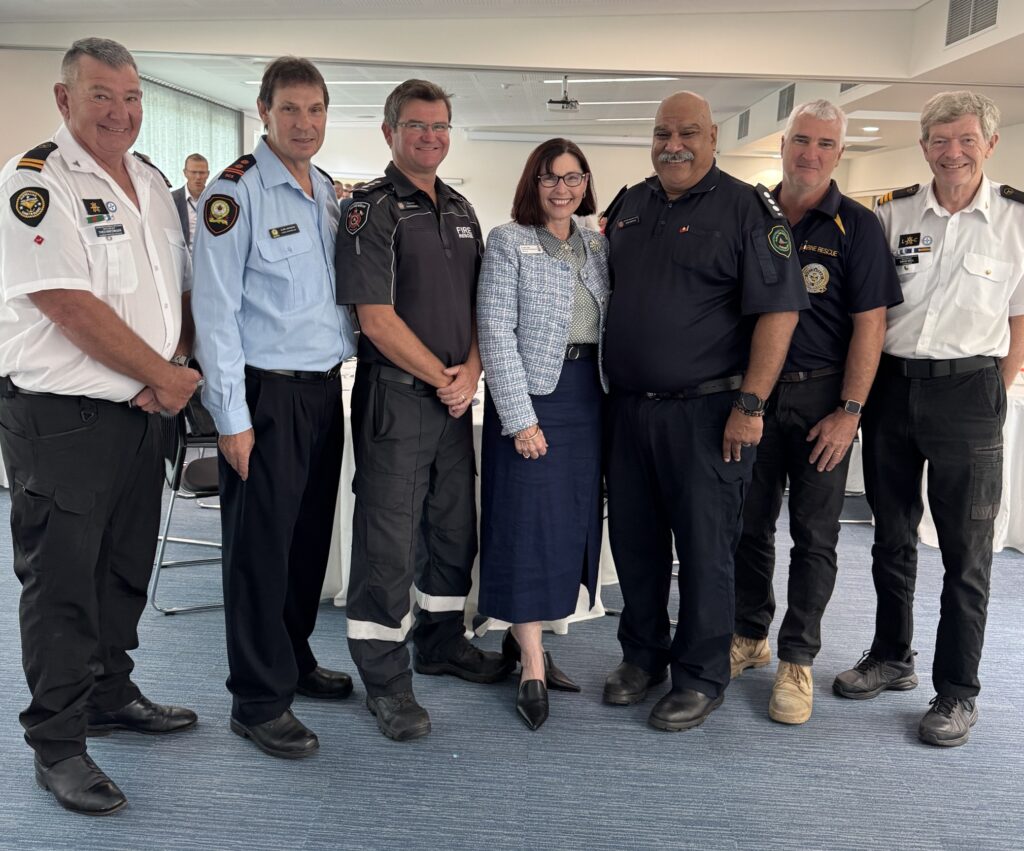
“It was truly heartening to witness the community coming together in the days leading up to Alfred to ensure residents were as prepared as possible and that the city’s more vulnerable residents were supported,” Cr Talty said.
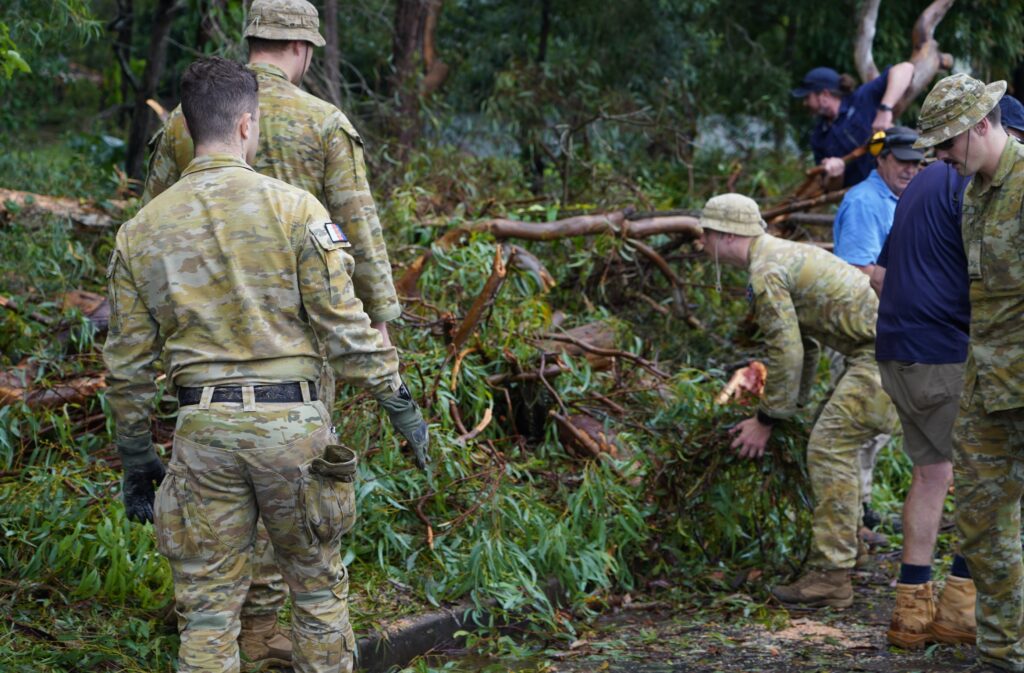
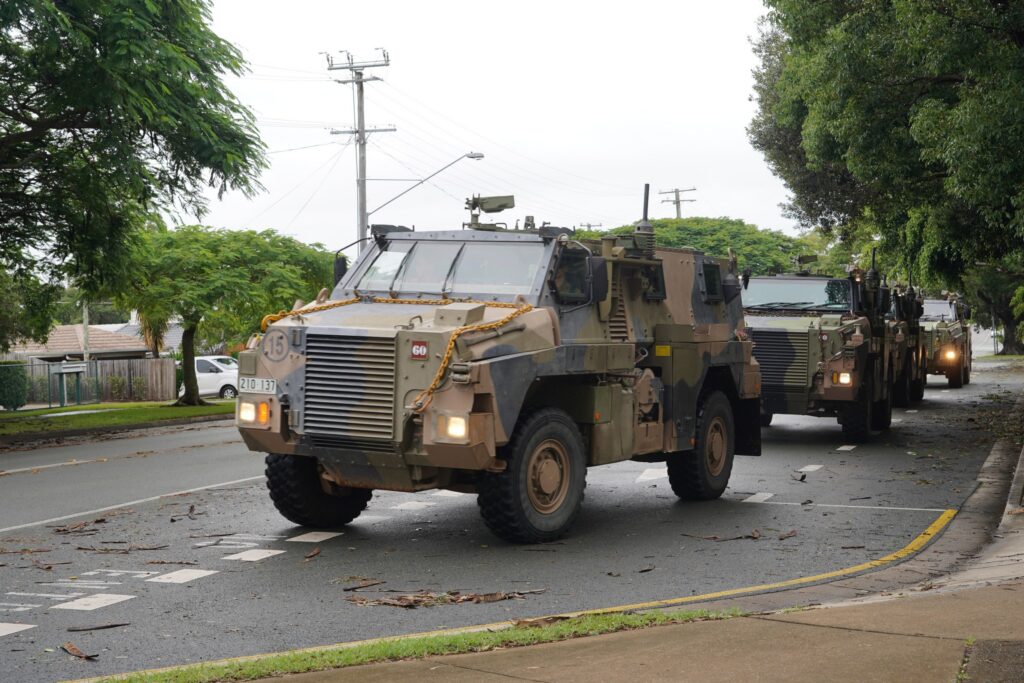
“Then, of course, after the event, it was ‘all hands on deck’ for the recovery process – planning for which had started even before the cyclone hit.
“In some areas, recovery is ongoing. If residents are aware of fallen trees or stumps that still require removal, they can contact Council on 3829 8999 or lodge an online request form on Council’s website.
“Council coordinated a robust inter-agency collaboration with 47 agencies – such as the State Emergency Service and Queensland Police Service – contributing to the recovery response.
“Council’s Community Champions program continued to serve as a vital conduit between Council and the community during the event and the recovery.”
Some of the actions taken by Council over the last 12 months:
- May 2025: Council’s Geographic Information System team’s response to the cyclone won the Excellence in Collaboration category at the Local Government Managers Australia (Queensland) awards ceremony.
- June 2025: By the end of the month, foreshore erosion that had occurred at Redland Bay and Coochiemudlo Island had been repaired.
- July 2025: Council endorsed two action plans to guide the ongoing recovery process and to help prepare the community for future severe weather events. The plans included medium- and long-term recovery goals to support the environment, community, economy, city infrastructure and waste, and roads and transport. The Redland Tropical Cyclone Alfred Local Recovery Plan and Event-Specific Recovery Action Plan: Tropical Cyclone Alfred were published on Council’s Disaster Dashboard for the community to view.
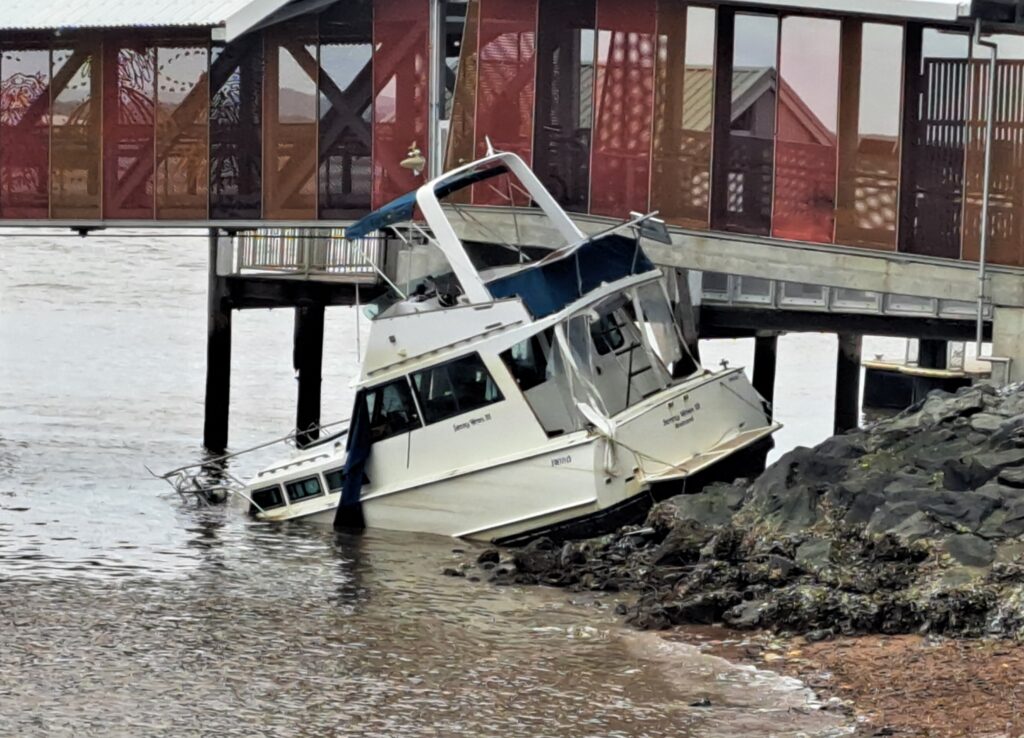
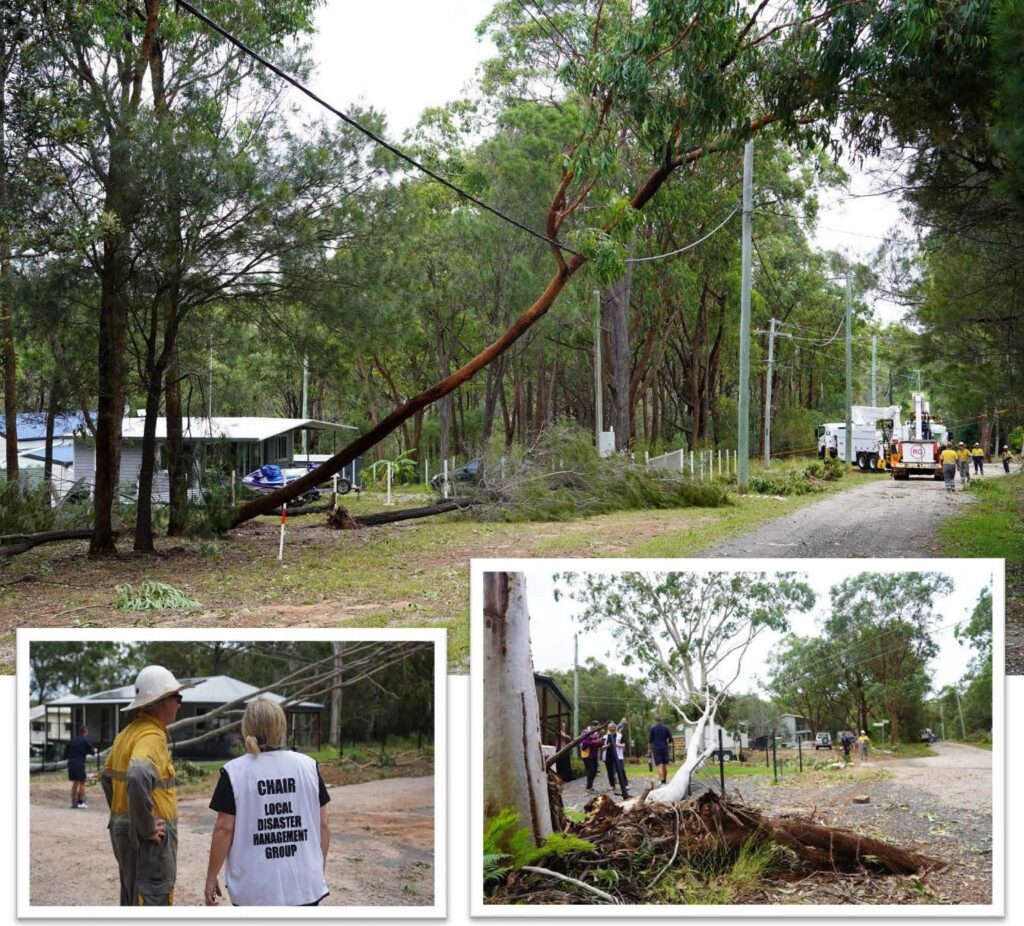
- July 2025: Within four months of the event, Council’s Local Recovery Group had conducted more than 3000 safety checks on Council assets; collected more than 40 tonnes of food and odorous waste; supported more than 4600 residents at local Community Recovery Hubs; and connected with 500 impacted businesses. Work was ongoing.
- November 2025: Benchmarking of Council’s vegetation management processes showed the city was closely aligned with other regions on mitigation activities for severe weather. The benchmarking process was undertaken proactively after the cyclone and found that Council’s vegetation management activities for severe weather mitigation were comparable to councils in North Queensland. The process also showed that one of Council’s key strengths was the Memorandum of Understanding it had in place with Energex to mitigate severe weather impacts on the city’s energy network.
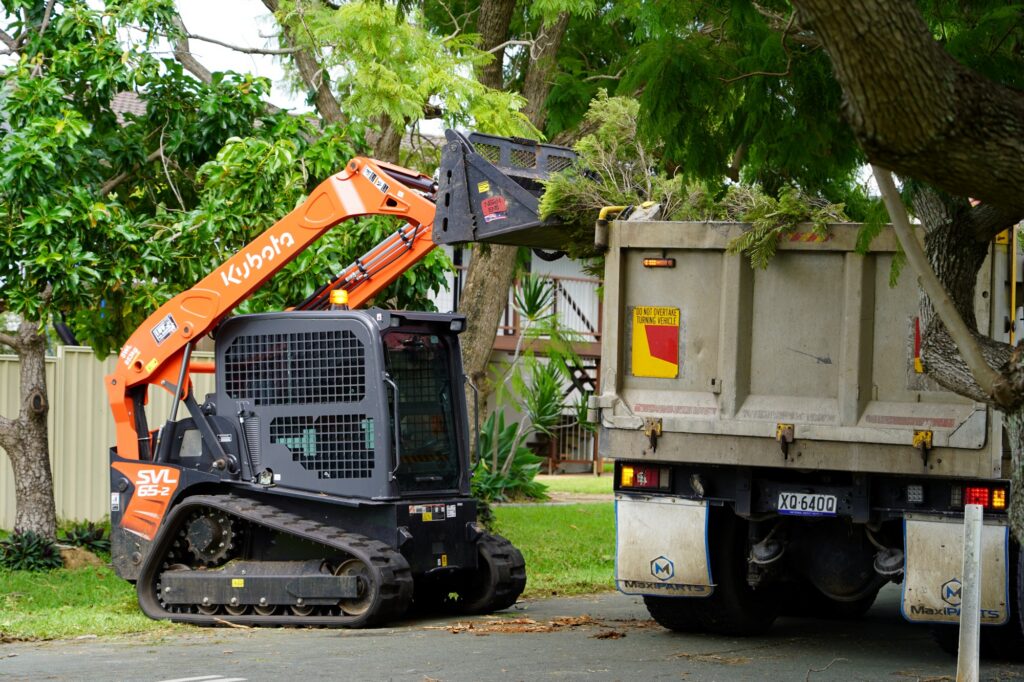
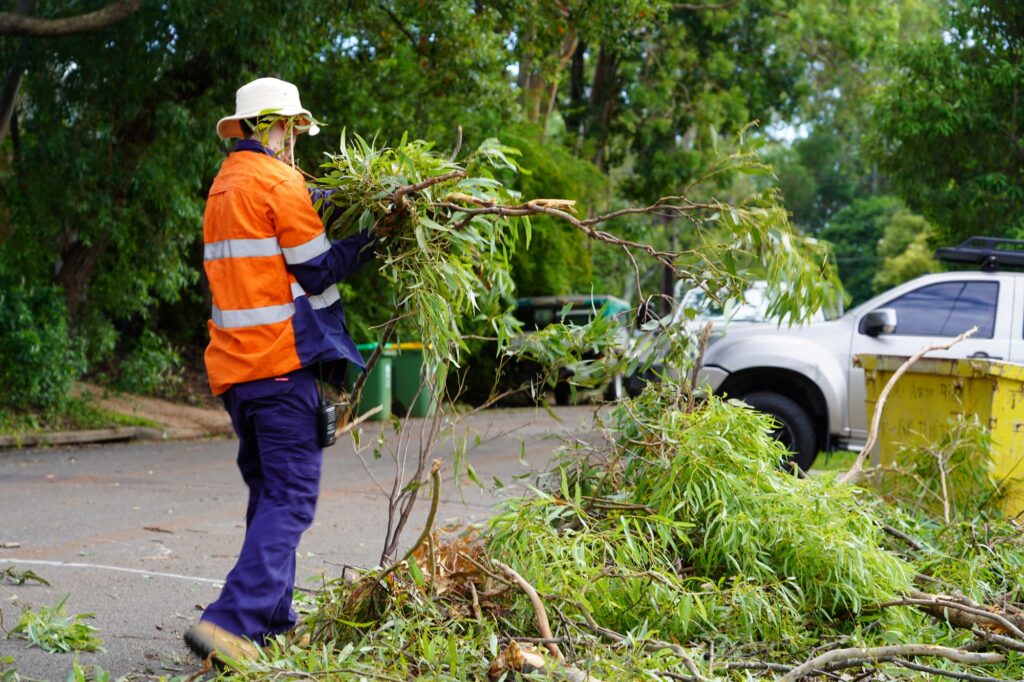
- February 2026: To further enhance preparedness and response for disaster events, Council installed a network of flood cameras around the city. The camera footage will provide an accurate picture of the flood status at various locations. It is available on Redlands Coast Disaster Dashboard, where you can also sign up to Redlands Coast Alerts to receive flooded road notifications.
- March 2026: A year on and the massive clean-up effort to clear the widespread damage to vegetation caused by the cyclone continues. Council crews have worked tirelessly and systematically to clear debris, assess safety risks, and restore public access. Priority has been given to areas with significant tree damage and those posing safety concerns for residents.